







 Dow’s is one of the Port Houses belonging to the Symington Family whose ancestry in the Port trade spans a period of over three and a half centuries. This family’s association with Dow’s began in the early 1900’s when Andrew James Symington, became a partner in Warre & Co, the first and oldest British Port company established in Portugal. The Warre Family at the time owned Dow’s; but apparently had little interest in managing the company and invited Symington to manage the vineyards and lodges of Dow’s as well those of Warre & Co.. In 1912, Andrew Symington, acquired 30 % ownership of Dow’s, and later, in 1961 the Symington Family gained full control and sole ownership of the entire company.
Dow’s Late Bottled Vintage (LBV) Port wines are produced from grapes grown in a single year from Dow’s best vineyards. The wine has been matured for between four and six years and is filtered prior to bottling. Because it has been matured and then filtered, this style of Port wine is ready for immediate consumption and will not require decanting or filtering of sediment before serving.
(Note: I was provided a sample bottle of Dow’s Late Bottled Vintage Port 2006 by The Bacchus Group, who are responsible for its importation here in Alberta.)
You may read my full review by clicking on the following excerpt:
Review: Dow’s Late Bottled Vintage 2006 Port Wine
I hope you enjoy this review of what I consider to be an outstanding Late Bottled Vintage port.
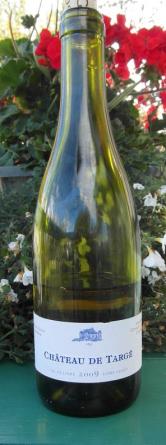 The Chenin Blanc is a very versatile white grape wine varietal which can produce wines of any level of sweetness from dry table wine to sweet dessert wine. These wines are generally recognized for their high level of acidity and for their long aging potential. The variety is commonly associated with the Loire Valley in France where the varietal has been grown for nearly 1300 years.
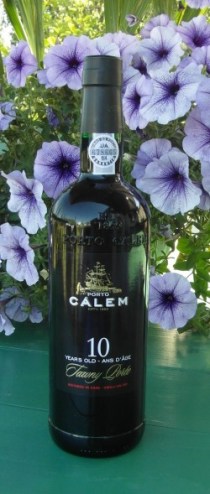 I came upon the chance to review this particular Cálem Port Wine quite by accident. When
  Jost Vineyards is situated along the picturesque Northumberland Strait, just off the Sunrise Trail in Nova Scotia, Canada. The waters of the Northumberland Strait bring the warmth of the South Atlantic to the Maritimes creating an ideal climate for growing grapes in a climate which features a long, warm, frost-free season.
 The Rum Howler Blog