
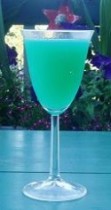




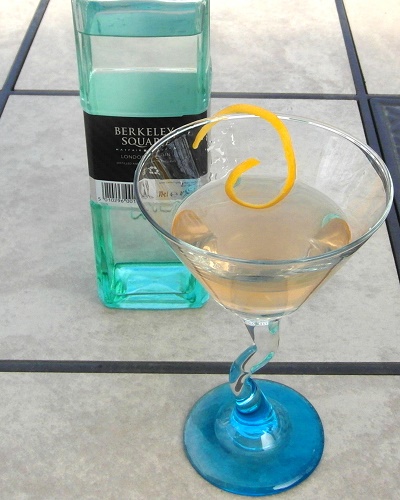


St-Remy Heretic No. 2
In 1886 Paul-Emile Rémy Martin II established the original St-Rémy Distillery in the tiny village of Machecoul. After 30 years of experimentation (in 1917), St. Remy launched Fine St-Rémy, the French Brandy which came to define the St-Rémy style and character for decades to come. The distillery began to exported their French Brandy to the rest of Europe in the 1920s and then jumped the Atlantic to Canada in 1967. Within another decade, the St-Remy spirit was sold on all five major continents, and today St-Rémy proudly proclaims itself the World’s No. 1 French Brandy.
The production of St-Remy XO Authentic French Brandy begins with the selection of grapes, harvested in France’s most prestigious wine-growing regions, such as Burgundy, Champagne, Rhône Valley, Languedoc-Roussillon, Loire Valley, Bordeaux and Beaujolais. Distillation takes place in both column and pot stills where the fermented wine is heated until the contained alcohol evaporates and becomes eaux-de-vie. The heart of the second distillation is carefully selected by the distiller to have the proper characteristics such that the eaux-de-vie will develop into brandy as they are matured in small French oak barrels.
I was enjoying this Brandy again today and thought I would re-post my review from last September :
Review: St-Remy XO Authentic French Brandy
Please enjoy my review which includes my cocktail recommendation, Heretic No. 2.
Chimo!
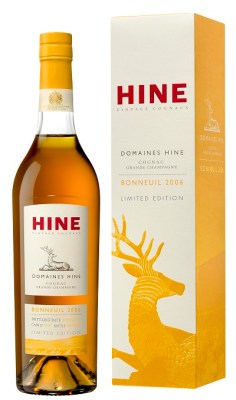 Hine is one of the oldest Cognac Houses in the commune of Jarnac, (within the Cognac appellation of France of course), and Hine has produced their Cognac since 1763. Hine Bonneuil 2006 is a Vintage Cognac produced from grapes of a single harvest from the Grande Champagne Cru. The spirit was drawn from 19 individual casks each limited to 450 bottles. (The release is named for Bonneuil Village where Domaines Hine’s Grande Champagne estate is located.)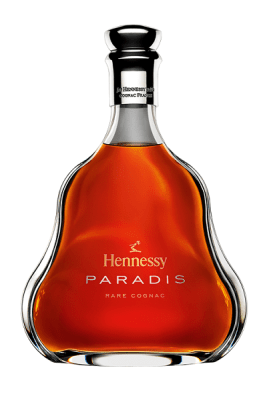
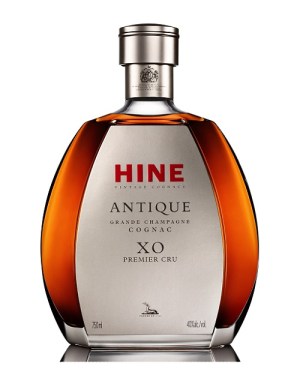 The production of cognac is governed by strict rules designed to guarantee consistency of quality and character in the final spirit. All cognac must be produced from a specific region of France whose appellation was first set out by decree on May 1, 1909. Since 1938, this appellation has been composed of six crus: Grande Champagne, Petite Champagne, Borderies, Fins Bois, Bon Bois, and Bois a Terroir. (You can think of each of these crus as specific grape growing regions within the overall appellation.) The grape juice from which cognac is distilled must be produced solely from white grapes which have been grown within the Cognac appellation.
 The Rum Howler Blog