







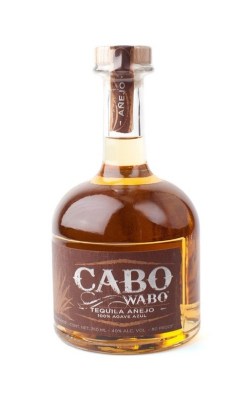
 Cabo Wabo Tequila was created in 1996 by Rock & Roll legend, Sammy Hagar and named after the nightclub he owned in Cabo San Lucas. In 2007, Gruppo Campari purchased 80 % of the brand from the musician, and then purchased the remaining 20 % in 2011. Campari has also purchased the distilly, Destiladora San Nicolas S.A DE C.V. which produces both Caba Wabo and the Espolon Tequila brand for Gruppa Campari as well.
Cabo Wabo Anejo is produced from agave harvested at at least 8 years old. This agave is cooked in brick ovens, the juice extracted via metal shredder and roller mill, then fermented and finally double distilled. The tequila distillate is then aged for at least 12 months in what appears to b a combination of different aging barrels.
Here is a link to my full review:
Review: Cabo Wabo Anejo Tequila
Please enjoy my review of Cabo Wabo Anejo, and if you are interested I have also provided links to my reviews of the rest of the Cabo Wabo line-up below.
____________________________________________________________________________________________________________
 Caba Wabo Reposado was the very first tequila brand I reviewed on this website. At the time of that original review, I was told that it was produced from agave grown in the lowlands of Mexico’s Tequila producing region. This was important to know, because lowland agave will usually bring more earthy/punky flavours through the distillation than highland agave which tends to bring spicier pepper and citrus flavours through the distillation. This year when I researched Cabo Wabo, I could no longer verify any information regarding the growing region of the agave used to produce the spirit.
 When I first reviewed Caba Blanco Tequila six years ago, it was listed on most websites as a spirit produced from agave grown in the lowlands of Mexico’s Tequila producing region.This was important to know, because lowland agave will usually bring more earthy/punky flavours through the distillation than highland agave which tends to bring fruitier/spicier flavours through the distillation. This year when I researched the spirit, I could no longer verify any information regarding the terroir of the agave used to produce the brand. I am not sure whether anything has changed, and in fact my previous tasting notes seemed to indicate a spirit which relied more upon highland grown agave rather than lowland.
 The Rum Howler Blog