






 According to the Jose Cuervo website, it all began in 1795 when Jose María Guadalupe de Cuervo began to commercially produce his Mexcal wine spirit based upon an official permit from the King of Spain. By 1812, he had established La Rojena, the distillery which to this day still produces Jose Cuervo Tequila. By 1844, Jose Cuervo Tequila was being distributed within Mexico, and in 1873 the earliest known documented export of the Tequila outside of Mexico occurred when 3 bottles of Jose Cuervo were transported across the United States border by donkey. Those exports have continued (although no longer by donkey), and now the Jose Cuervo brand is the best-selling tequila brand in the entire world.
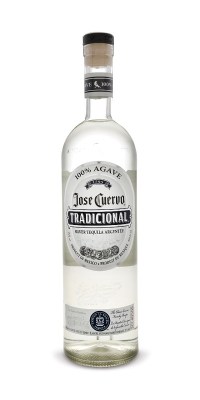
Jose Cuervo Tradicional Silver was released in 2011. It is a true 100% blue agave tequila. It is produced at the Casa Cuervo, S.A. de C.V. which is located in the central lowland tequila region of Jalisco Mexico. (the same distillery which produces all of the Jose Cuervo brands as well as the 1800 Tequila Brand).
Here is a link to my full review:
Review: Jose Cuervo Tradicional Silver
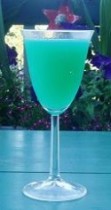
Please enjoy my review as well as my cocktail suggestion, The Green Ripper.
Chimo!
 Caba Wabo Reposado was the very first tequila brand I reviewed on this website. At the time of that original review, I was told that it was produced from agave grown in the lowlands of Mexico’s Tequila producing region. This was important to know, because lowland agave will usually bring more earthy/punky flavours through the distillation than highland agave which tends to bring spicier pepper and citrus flavours through the distillation. This year when I researched Cabo Wabo, I could no longer verify any information regarding the growing region of the agave used to produce the spirit.
 When I first reviewed Caba Blanco Tequila six years ago, it was listed on most websites as a spirit produced from agave grown in the lowlands of Mexico’s Tequila producing region.This was important to know, because lowland agave will usually bring more earthy/punky flavours through the distillation than highland agave which tends to bring fruitier/spicier flavours through the distillation. This year when I researched the spirit, I could no longer verify any information regarding the terroir of the agave used to produce the brand. I am not sure whether anything has changed, and in fact my previous tasting notes seemed to indicate a spirit which relied more upon highland grown agave rather than lowland.
 Hacienda Corralejo was established in 1775 by Don Pedro Sanchez de Tagle in the Mexican State of Guanajuato. The distillery (Nom 1368 CRT) uses traditional methods of fermentation and distillation with clay ovens used to cook the agave and copper pot stills for the distillation.
 The Rum Howler Blog