







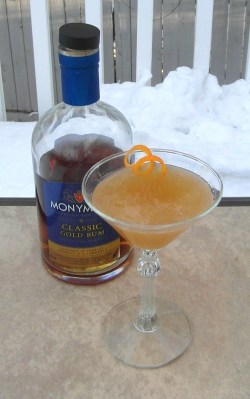
 Monymusk Classic Gold Rum is produced in Jamaica by a partnership called the National Rums of Jamaica. The spirit is produced at the Claredon Distillery (also called the Monymusk Distillery), near Lionel Town in the heart of Jamaica’s sugar cane producing region. The Claredon Distillery contains a modern column still plant and a second older plant with two double-retort pot stills.
 While the vast majority of the rum distillate produced at the distillery is destined for bulk sales (much of it to Diageo), about 10 % of the rum distilled is set down to rest in American Oak barrels and aged at the NJR facility at Innswood, an older distillery which now serves as an aging and blending facility for Claredon.
Monymusk Classic Gold Rum was produced from aged rum from both the modern column plant and the double-retort pot stills.
Here is a link to the Number 12 Mixing Rum in my Top 50 Countdown:
#12: Monymusk Classic Gold Rum
________________________________________________________________________________
Stay tuned for more mixing rum revelations as I will be adding to this list each day until Christmas Eve.
And you can follow the rankings by bookmarking this page:
The Rum Howler 2016 Top 50 Mixing Rums Countdown
 That is not the whole story, as my bottle clearly states (at the bottom of the label) that the particular bottle which I was given has been blended with Canadian rum as well. For those who do not know, it used to be fairly common for rums imported into Canada to be blended with a small amount (about 1.5 %) of Canadian Rum (usually produced at the Hiram Walker Distillery) in order to obtain a more favourable tax rate from the Canadian Government. I have been told that this small amount of Canadian Rum does not change the flavour profile, although the skeptic inside me forces me to mention the Canadian content just in case the Myer’s Planters’ Punch does taste slightly different in other markets.
 In the case of the Flor de Caña 4 Extra Seco, this brand now replaced the Flor de Caña Extra Dry 4 Year Old Rum in their line-up. The new Extra Seco brand is now longer an age stated 4-year-old rum, rather I have been told that the number 4 on the label is representative of the average age of the rums in the blend with some variation in the actual age based upon blending to a consistent flavour profile.
 Although the naval tradition of the daily tot had ended, in 1979 Charles Tobias obtained the rights and the blending information for the British Naval Rum, and formed Pusser’s Ltd. on Tortola in the British Virgin Islands. His company produces their Pusser’s Rum following the blending information and the traditions of the Admiralty, including producing the rum from wooden pot stills just as the had been the tradition for over 200 years.
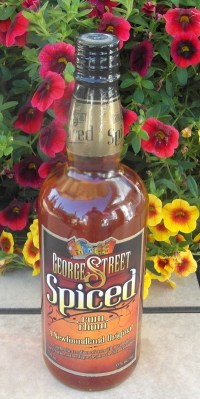 This isn’t an ordinary spiced rum. The rum itself is from Guyana, the home of the world-famous Demerara Rum, and that rum has been well aged blended from marques which are two, five , and seven years old. This blended aged rum is then spiced using both extractions and distillations of real spices. The product is bottled at 35 % alcohol by volume and is sold across Canada.
 The Rum Howler Blog