







Citadelle Gin has a history which stretches back to 1775 when King Louis XVI authorized two Frenchmen, Carpeau and Stival, to open a genievre distillery at the Citadelle in Dunkirk, which would serve as the Royal Distillery with an exclusive 20 year privilege. The Citadelle Distillery produced about 1000 litres of genievre per day which was predominantly shipped in small casks for sale in England, where gin was very popular.
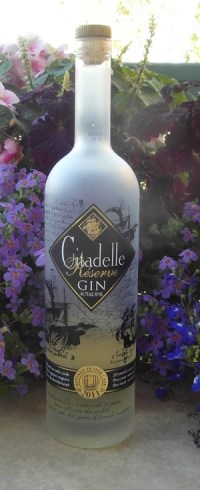 About 200 years later in 1989, Alexandre Gabriel of Cognac Ferrand, recognized that in France, gin had become more of an industrial spirit with much of the heritage and refinement lessened by time. He decided to create a handcrafted gin using small copper pots in the style and tradition of the Citadelle Distillery of old. Fortunately records existed of the old gin making techniques at the Citadelle Distillery, and after several years of research Alexandre Gabriel was successful in distilling an old style handcrafted gin under the Citadelle name. The Gin is produced at the Cognac Ferrand facilities in Cognac, France, and according to the Citadelle Gin website, it is produced under naked flame in small copper pot stills using a complex array of 19 botanicals.
Here is a link to the review of the best gin I have ever tasted, and the #16 spirit on my Rum Howler Top 100 Spirits Countdown.
#16 – Citadelle Reserve Gin (2011 Edition)
________________________________________________________________
You may follow my Countdown list of the 100 Best Spirits here: The Rum Howler 2015 – Top 100 Spirits
 Wiser’s Small Batch Canadian Whisky was released in the fall of 2008 replacing the Wiser’s Reserve. There were a few important differences in Wiser’s Small Batch which made it somewhat unique as far Canadian Whisky was concerned at that time. First, it is made in small batches using traditional distilling methods, hence the name Wiser’s Small Batch, and secondly, the bottling strength is 43.4 % rather than the traditional 40 %. This slightly higher strength should allow the whisky to display more texture in the mouth and a more concentrated flavour and aroma.
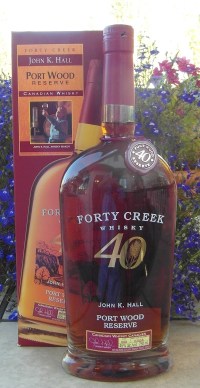 In 2009 the special release was spectacular, Forty Creek Portwood Reserve (2009).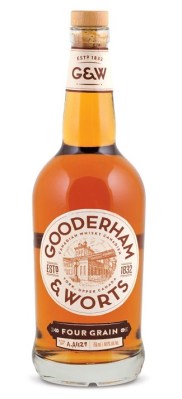
 The Havana Club Barrel Proof Rum underwent a rather unique maturation process where it is first aged in old white oak barrels, and when the final rum is blended, it is then finished in specially ‘selected’ younger finishing casks. I have heard of this ‘Double Barrel’ approach with whisky, but the Havana Club Cuban Barrel Proof Rum, was the first rums that I know of which used older white oak maturation casks and then younger fresh oak finishing casks.
 The Rum Howler Blog