






Don Julio is a 100% Blue Weber Agave Tequila made from agave grown in the highlands of Jalisco, Mexico. As a highland tequila,we can expect the Don Julio to exhibit strong fruity citrus notes and to have a little hot pepper in the finish. The company was established by Don Julio González, who apparently began to examine the prospect of making his own Tequila in 1942.
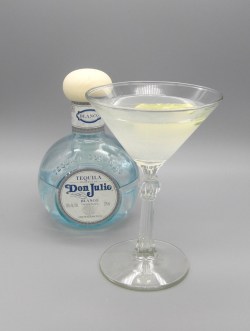 The identified NOM on the back label of the bottle is 1449 CRT. This NOM identifier is required by the Mexican Government to be placed on the label of each bottle of tequila to verify that it is produced legally from agave sourced in the Tequila region of Mexico. Each distillery has its own NOM, and by researching this we can discover exactly which distillery produces each brand of tequila. It came as no surprise to me to discover that the Don Julio Brand is produced at the Don Julio Tequila Distillery located in Atotonilco, Jalisco. This distillery also produces the 3 Magueyes tequila brand.
Here is a link to the review:
Review: Don Julio Blanco Tequila
I hope you enjoy the review which concludes with two cocktail suggestions, the Paloma and the Don Julio Margarita.
Chimo!
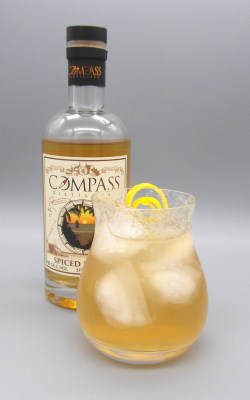 is located in Halifax Nova Scotia, where Graham, Josh, and David began their distilling journey with a belief that they could create world-class spirits locally. Their artisan Craft Spirits are not imported, they are not blended with generic ingredients, nor are they pumped out of a factory; Rather, they are made from scratch, with locally sourced ingredients.
 Agavero is a tequila based liqueur based upon a blend of 100% blue agave Tequila (Reposado and Anejo), with the essence of the Damiana Flower. Lazaro Gallardo, the founder of Los Camichines Distillery, in Jalisco, Mexico, is credited with creating Agavero in 1857. It is produced as a sipping liqueur meant for those who want a lighter, sweeter and more refined Tequila experience.
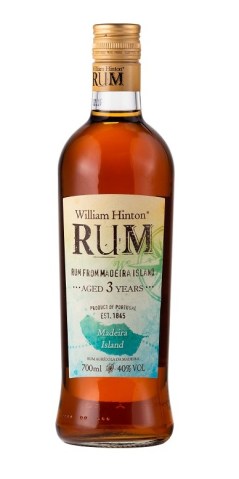 Madeira (an autonomous region of Portugal) is an archipelago comprising 4 islands approximately 520 kilometers off the northwest coast of Africa. Early in the colonization of these Islands it was noticed that these islands in the middle of the Atlantic had exceptional conditions for the planting of sugarcane. According to historical reports, the king, Infante D. Henrique, introduced sugar cane on Madeira Island in 1425 only 6 years after the Island was discovered.
 The Rum Howler Blog